Global Markets
Active Trading in US and European Markets
Systematic and discretionary strategies in equities, futures, options, currencies and commodities. Simple, transparent, results-driven, with strict risk management.

What We Do
We grow the capital of qualified investors alongside K&L Rock Group's own funds. Our investment process combines long-term equity investments with active trading that blends systematic and discretionary approaches, driven by data, clear rules and the experience of our investment team. We build the portfolio as a diversified mix of weakly correlated strategies with predefined weights and risk budgets, aiming for stable performance across market cycles under strict risk control.

Investment Philosophy
Markets move in regimes, not in straight lines, so we actively adjust our exposure to trend, volatility and the interest rate environment. We apply a barbell approach that combines protective, convex strategies with trend-following return components, together with systematic diversification across assets and regions. We manage risk with discipline, using clear drawdown limits, capital efficiency and simple, robust models that are validated not only in backtests but also across a range of market conditions.
Methodology & Data Tools
We use a multi-strategy approach across time horizons and trade only highly liquid markets such as futures, equities, options and bonds. Our decisions are based on a combination of Market and Volume Profile, Order Flow, DOM, COT reports and Price Action, which we use to develop, validate and continuously manage our strategies. Each strategy has its own rules for execution, position sizing and risk management, while overall portfolio exposure is managed centrally through allocation and risk budgets across strategies.
Investment Pillars
Dynamic convexity – protecting the portfolio during shocks
What:Systematic protection through volatility and options (mainly on major equity indices and, depending on the situation, instruments linked to index volatility).
When it works:Sharp sell-offs, sudden market shocks, abrupt spikes in uncertainty and risk premiums.
Risk managementAutomated position sizing, gradual profit-taking, predefined loss limits.

Integrated Risk Management
Why
No single strategy works in every regime; we combine convexity (protection) with trend (return).
How it works
The weights between long volatility and trend shift according to signals; we realize profits on an ongoing basis (profit-taking).
What to expect
A better risk/return profile across the cycle and shallower drawdowns during crises.
Risk Management and Process




Client Products

Detailed information on products, risks and costs is available on request.
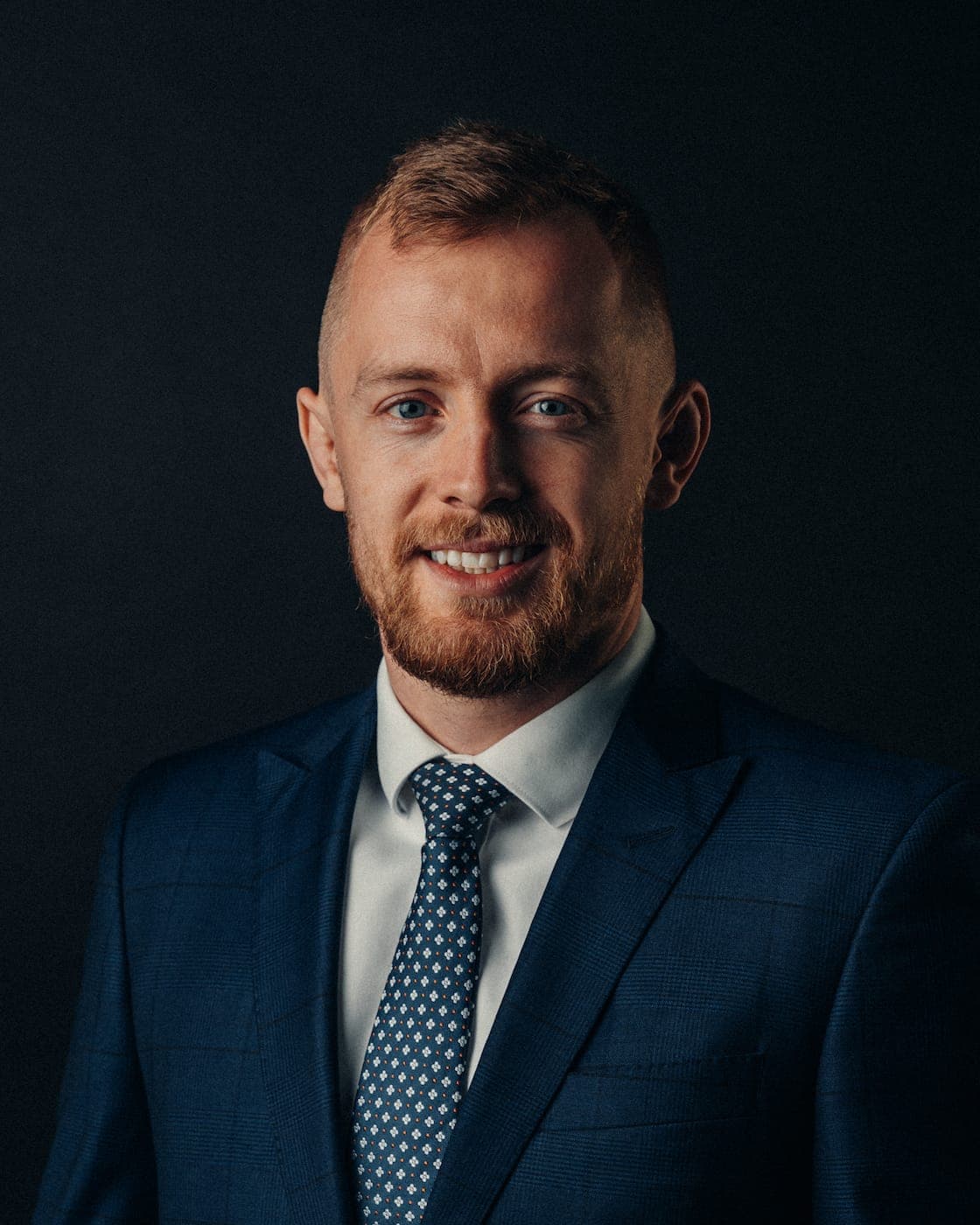
Erik Kmet‘
Managing Director
As one of the founders of the company, he is involved in the overall running of the group. As Portfolio Manager, he manages the Global Markets division, specialising in asset management and asset appreciation in the equity markets. The activities of this division are strategically involved in the development of the entire K&L Rock investment group.
Thanks to its many years of experience and vast knowledge of the US stock market, it has achieved excellent results over the long term. His love of sports has taught him not to give up without a fight.
Risks
Investing in capital markets involves a number of risks: market risk (significant fluctuations in asset prices), liquidity risk (especially in periods of stress), the risk of leverage/margin financing (which amplifies both gains and losses), the risk of changes in volatility and correlations (their behavior can change fundamentally during crises), model risk in systematic approaches, and operational/legal risks. We actively manage these risks through limits, stress tests, a conservative use of leverage and robust governance processes; nevertheless, temporary or permanent loss of capital cannot be ruled out.